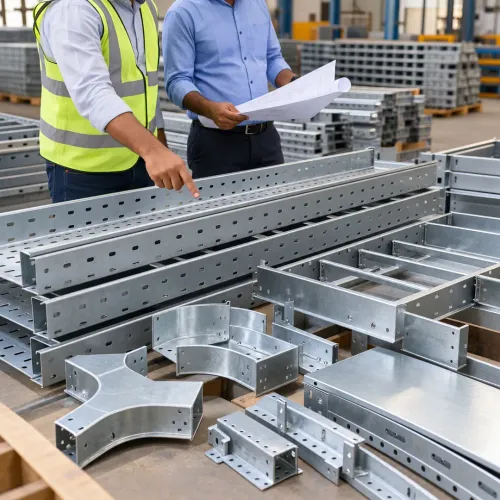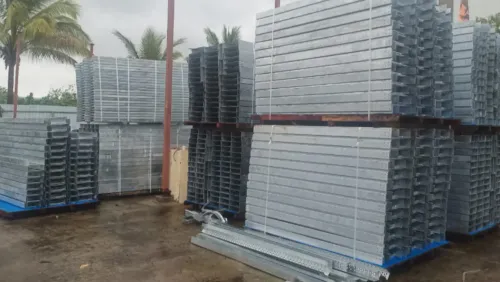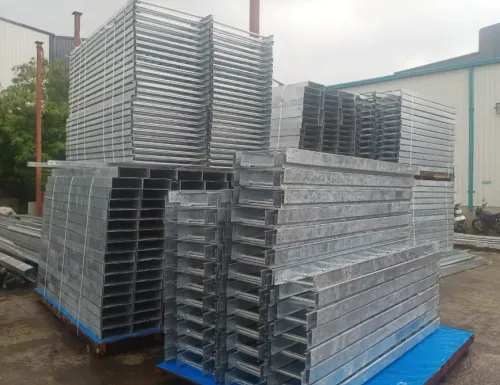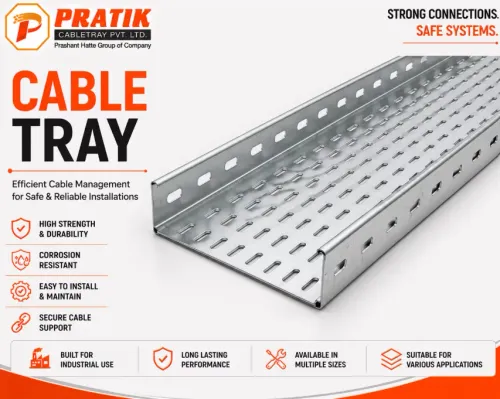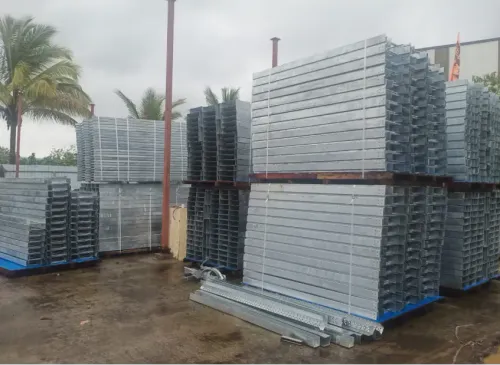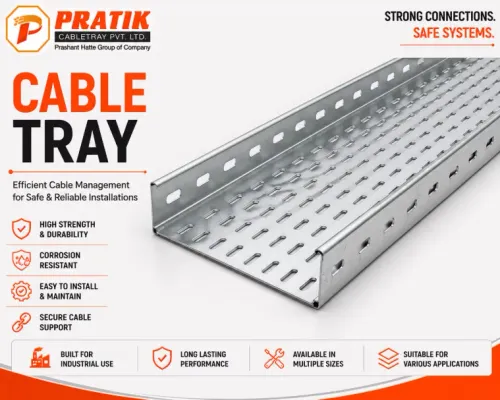
Modern buildings and industrial facilities often carry more than conventional power cables. Data networks, communication lines, control wiring, automation systems, and other low-voltage services can create dense routes that need accessible and flexible cable management.
A Wire Mesh Cable Tray Manufacturer Pune can provide tray systems designed around this type of open cable routing, but correct selection still depends on where the tray will be installed and what cables it will support.
What Is a Wire Mesh Cable Tray?
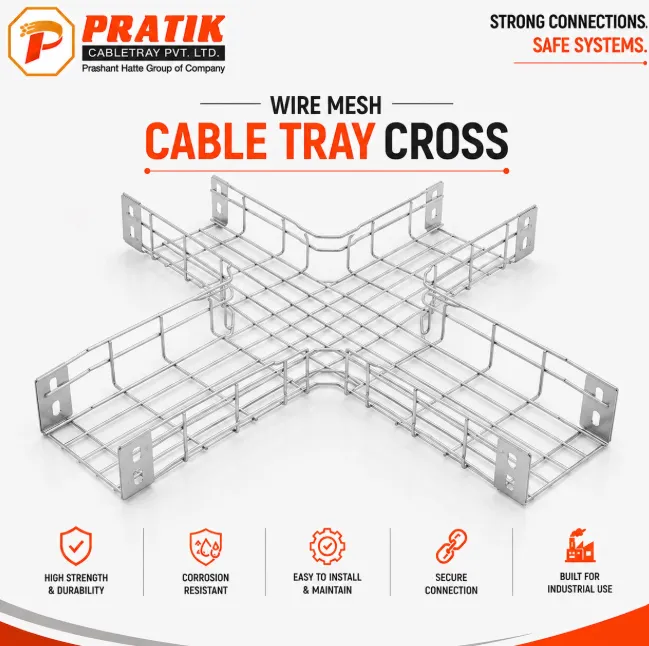
Wire mesh cable trays are constructed from interconnected metal wires that form an open basket-like structure. They provide support while keeping cables highly visible and accessible.
This configuration can be useful in applications where routing may change over time or where installers need convenient access to cables.
Typical environments may include:
- Data and communication installations
- Automation systems
- Control wiring routes
- Commercial buildings
- Industrial equipment areas
- Server and technology spaces
- Light cable distribution routes
Suitability should be assessed according to load, cable type, span, environmental conditions, and project requirements.
Flexibility Is a Major Practical Advantage
Cable routes can become complicated when they need to pass around equipment, structural elements, ducts, or other services.
Wire mesh systems can provide flexibility for certain routing applications, particularly where cable quantities or equipment layouts may change during the life of a facility.
This can be useful in modern manufacturing environments where automation equipment and communication infrastructure are periodically upgraded.
Open Visibility Helps Maintenance
Because the cables remain visible, maintenance teams can identify routes without opening multiple enclosed sections.
This may simplify routine inspection and help technicians trace cables during troubleshooting or modification.
However, open accessibility also means that the surrounding environment must be considered carefully. Locations requiring additional mechanical protection may need a different cable management approach.
Cable Load Still Determines Selection
The lightweight appearance of a wire mesh tray should not lead to assumptions about its loading capacity.
Designers need to consider:
- Total cable weight
- Tray width and depth
- Support spacing
- Route configuration
- Cable distribution
- Additional future load
Supporting arrangements should be planned according to the intended installation and applicable engineering requirements.
Consider Cable Segregation
Modern facilities often contain several cable categories.
Power, communication, instrumentation, data, and control cables may have different routing and segregation requirements. The cable management design should therefore reflect the electrical and communication system specifications.
Separate tray routes or suitable segregation arrangements may be necessary depending on project requirements.
Coordinate With Building Services
Wire mesh trays are often installed in ceiling voids, service corridors, equipment areas, and other spaces shared with multiple services.
In Pune's commercial and industrial projects, effective MEP coordination can prevent cable routes from conflicting with HVAC ducts, plumbing, fire protection systems, lighting, and structural components.
Resolving these clashes before installation generally requires less effort than modifying completed routes later.
Check Connections and Supports
The performance of a cable tray route depends on more than the tray itself.
Couplers, brackets, suspension systems, supports, and fixing components contribute to the stability of the installation. The method used should suit the structure and the expected load.
Route changes and transitions should also be planned so cables maintain appropriate support throughout the installation.
Match the Material to the Environment
A dry indoor technology area and an industrial production environment present different exposure conditions.
Material selection and surface protection should take account of humidity, dust, corrosive contaminants, cleaning processes, and other local conditions.
This is particularly relevant across Maharashtra, where cable management products may be installed in commercial buildings as well as demanding industrial facilities.
Pratik Cabletray Pvt. Ltd. manufactures cable management systems for project requirements in Pune and supports industrial and electrical applications where specifications vary by installation.
Wire mesh trays can be an effective solution when accessibility, adaptability, and open cable routing are priorities. Their value is greatest when cable load, supports, segregation, environmental exposure, and future changes are considered as part of the original cable management design.
Keywords