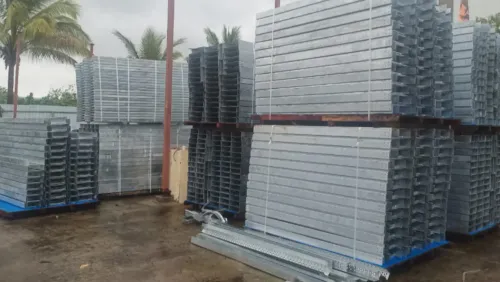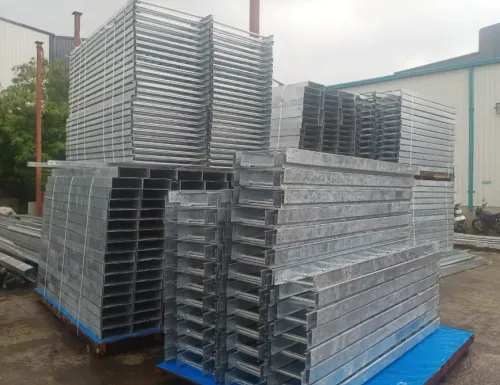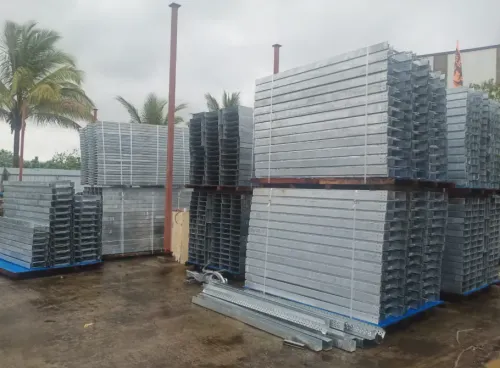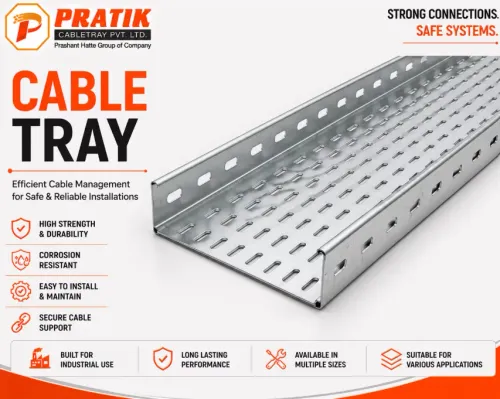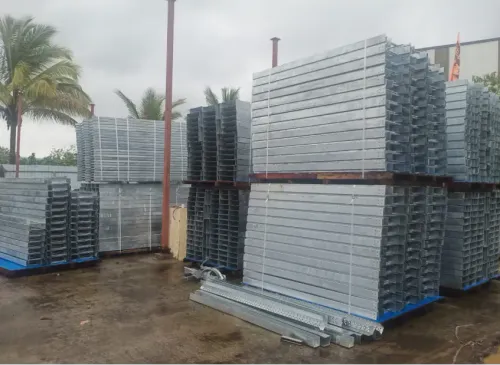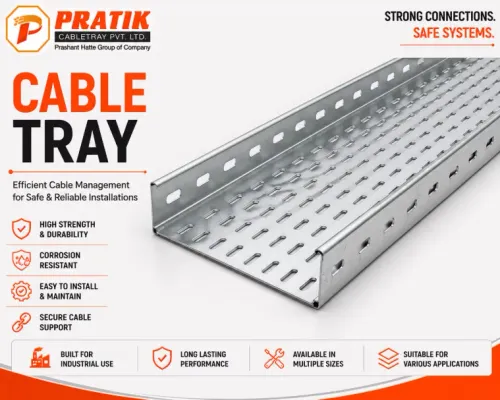
GI cable trays are commonly considered for electrical cable routing where galvanized steel is specified to provide a practical combination of structural support and corrosion protection. However, simply requesting a GI cable tray is not enough information for accurate project procurement.
When evaluating a GI Cable Tray Manufacturer Pune, buyers should establish material specifications, tray configuration, dimensions, loading requirements, accessories, finish requirements, quantities, and delivery expectations before finalizing an order.
Define What the Project Means by GI Cable Tray
Project documentation should clearly identify the required material and galvanizing or coating specification.
Different projects may use terminology differently, so procurement teams should avoid making assumptions based only on a short item description.
Refer to approved technical specifications and drawings to confirm the required product.
This helps ensure that manufacturers quote on a comparable basis.
Choose the Appropriate Tray Configuration
GI cable trays can be required in different configurations depending on the project.
The selection may include perforated or ladder-type arrangements and other specified cable support systems.
The correct choice depends on factors including:
- Cable type
- Cable load
- Ventilation requirements
- Accessibility
- Installation environment
- Route configuration
- Engineering specifications
The tray configuration should follow the electrical design rather than being selected solely on availability.
Specify Dimensions Clearly
Accurate dimensions are fundamental to project-ready supply.
An enquiry can include width, depth, length, thickness, quantities, and other relevant dimensional requirements.
If several sizes are required, a structured schedule helps prevent confusion.
Non-standard components should be supported with drawings where dimensions cannot be communicated clearly through a basic item description.
Include Every Required Accessory
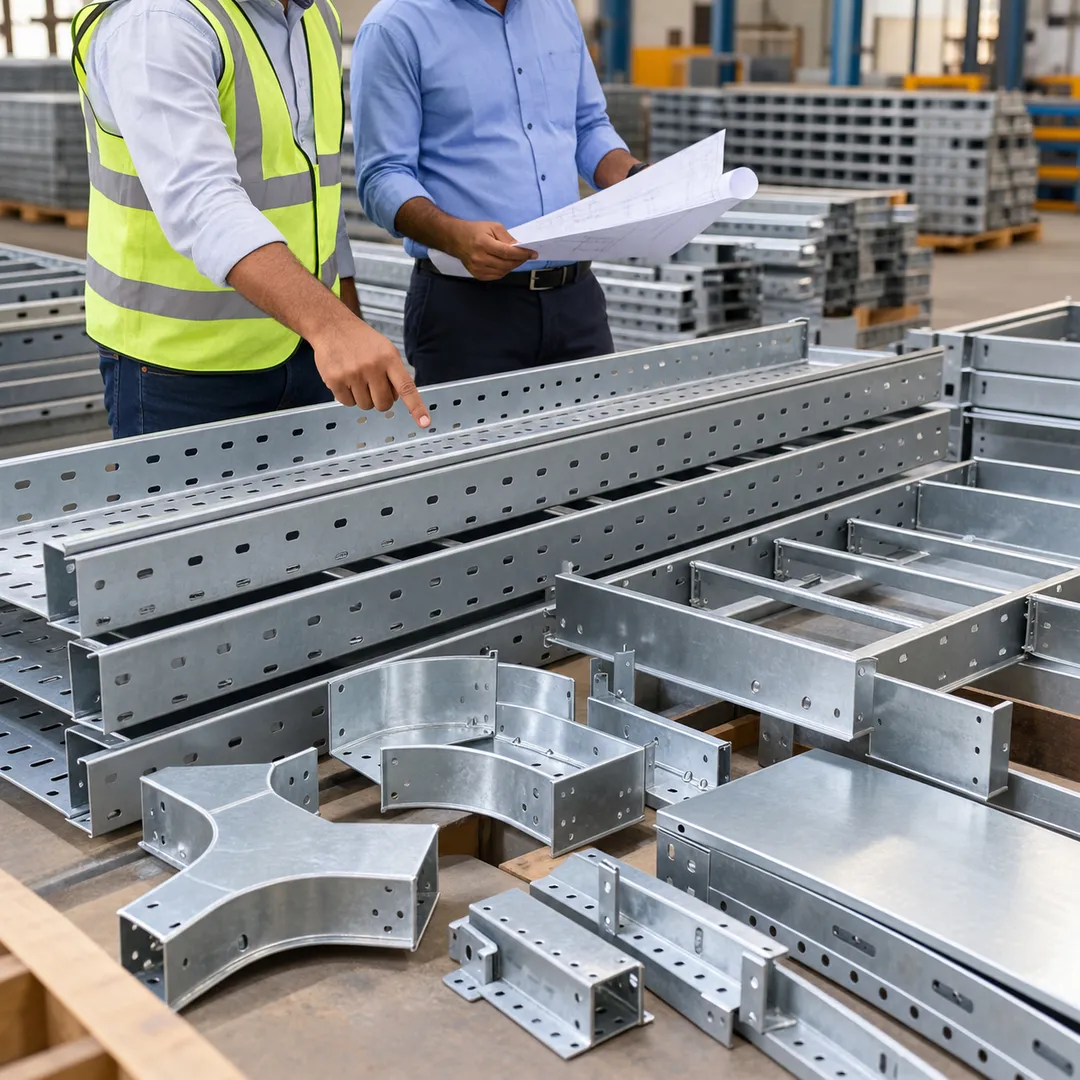
A complete GI cable tray route may require much more than straight sections.
Depending on layout, include requirements for:
- Horizontal bends
- Vertical bends
- Tees
- Crosses
- Reducers
- Couplers
- Covers
- Supporting components where applicable
Accessories should match the material, dimensions, and project requirements of the corresponding tray system.
Confirm Cable Loading and Supports
A tray must be considered together with the cables it carries and the way it is supported.
Cable weight and support spacing influence structural requirements. Engineering teams should establish appropriate loading criteria rather than allowing procurement to choose thickness from price alone.
Support arrangements should also account for the actual building or industrial structure.
Check Environmental Suitability
Galvanized products are often selected because environmental protection is important, but the actual requirement still depends on exposure conditions.
Indoor utility spaces, outdoor routes, humid areas, and industrial processing environments can present different challenges.
Projects in Pune and across Maharashtra should evaluate the specific environment and follow applicable technical specifications for material protection.
Assess Manufacturer Readiness
Before placing a significant order, procurement managers can ask whether the manufacturer is ready to support the complete requirement.
Useful indicators include:
- Ability to manufacture required sizes
- Consistency across quantities
- Availability of matching accessories
- Understanding of drawings and specifications
- Capacity for project quantities
- Agreed production schedule
- Delivery planning
- Documentation where required
These factors become particularly important for EPC and industrial projects involving phased installation.
Finalize the Material Schedule Before Production
Changes are easier to manage before fabrication starts.
Project teams should therefore review quantities, dimensions, accessories, route changes, and approved revisions before releasing material for manufacturing.
If engineering changes occur afterward, they should be communicated through a controlled revision process.
Pratik Cabletray Pvt. Ltd. manufactures GI and other cable management products in Pune for industrial, commercial, and infrastructure applications. Detailed enquiries allow the company to understand project requirements around dimensions, configuration, accessories, quantities, and supply planning.
For procurement teams, project readiness means having more than a competitive quotation. The required cable tray must correspond with approved specifications, arrive with the necessary components, and fit into the planned installation sequence. Evaluating those factors before ordering can reduce rework, missing-material issues, and avoidable procurement delays.
Keywords