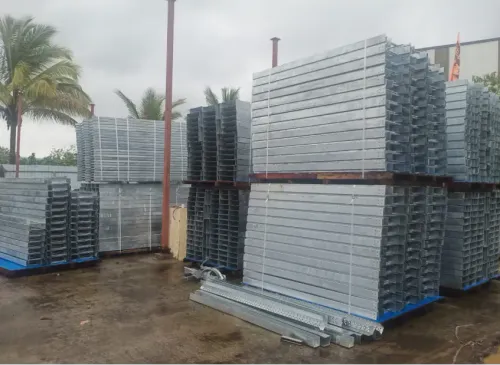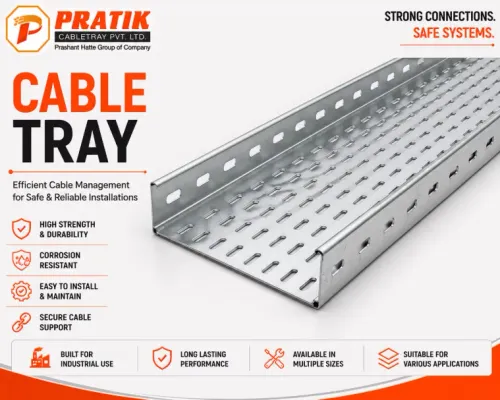
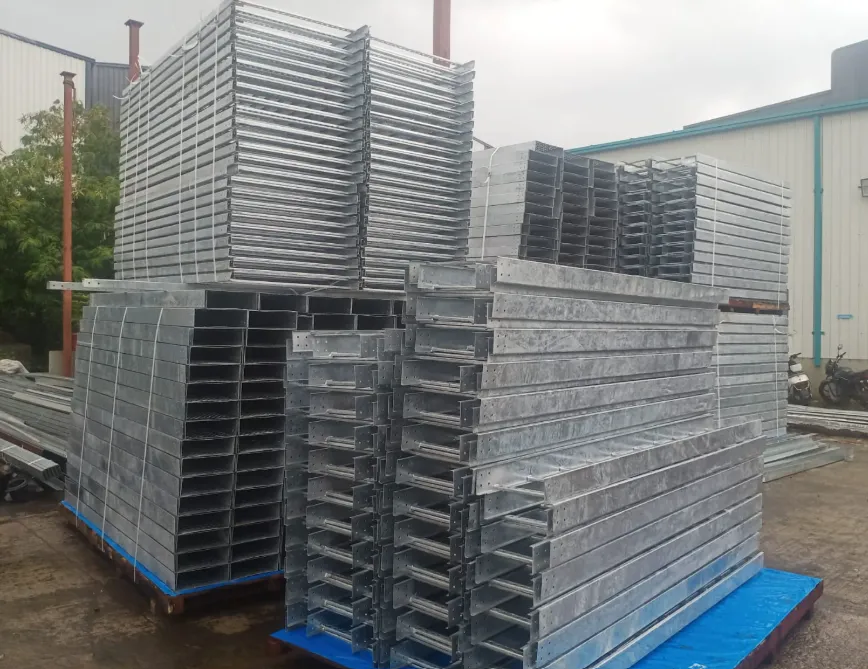
Cable tray selection sits at the intersection of electrical design, structural support, MEP coordination, procurement, and site execution. A product can meet basic dimensional requirements yet still create difficulties if accessories, loading, environmental exposure, or route coordination have not been considered.
For contractors and consultants choosing an Electrical Cable Tray Manufacturer Pune, readiness should be assessed before the purchase order is released.
Start With Approved Electrical Requirements
The manufacturer should receive a clearly defined technical scope.
Depending on the project, this may include tray type, dimensions, thickness, material, finish, accessories, and quantities.
Where consultants have issued approved specifications, procurement should maintain those requirements during supplier comparison rather than allowing commercial evaluation to unintentionally change the technical scope.
Confirm the Manufacturer Can Supply the Required System
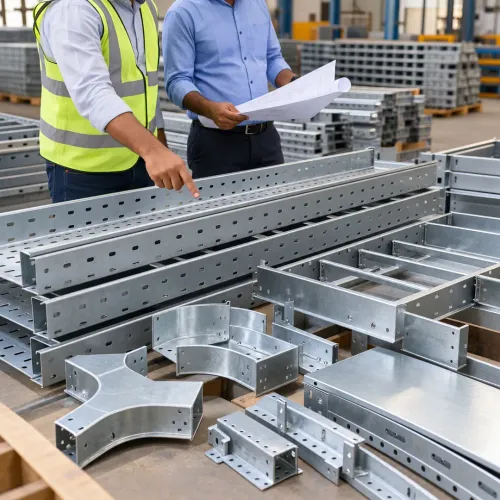
Electrical projects often require multiple tray components rather than a single product.
Check whether the proposed manufacturer can support the required straight trays and compatible route components.
This may include bends, tees, crosses, reducers, couplers, covers, and other project-specific accessories.
Obtaining compatible components from a coordinated manufacturing source can simplify dimensional matching and procurement management.
Evaluate Fabrication Accuracy
Cable tray sections must connect along long routes.
Consistent width, depth, connection points, and forming help installers maintain alignment. Poor dimensional control can result in repeated adjustment during assembly.
This is particularly relevant in large commercial and industrial projects where hundreds of sections may need to form continuous cable routes.
Review Material and Finish
Electrical cable tray specifications should consider installation conditions.
An indoor commercial environment may not have the same protection requirements as an exposed utility area or industrial facility.
MEP consultants should define the appropriate requirement based on environmental exposure and applicable project standards. Procurement teams can then ensure that manufacturer quotations correspond to that requirement.
Verify Accessory Dimensions Before Production
A small mismatch in an accessory can create a large problem at site.
Before production of substantial quantities, make sure accessory dimensions correspond with the associated tray widths and depths. Where non-standard transitions are required, drawings may be useful for technical confirmation.
This is especially important where routes connect different tray sizes.
Discuss Quantity and Delivery Requirements
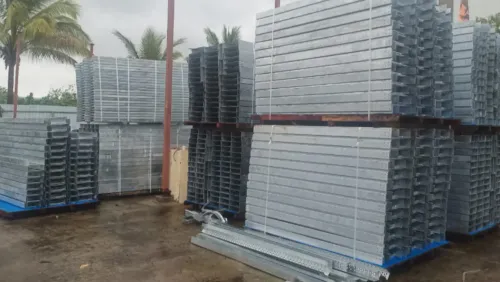
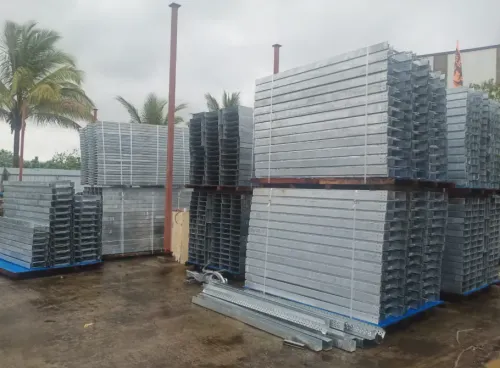
Pune-based industrial and commercial projects may require cable trays in phases according to electrical installation progress.
Contractors should communicate:
- Total estimated quantity
- Immediate requirement
- Planned project phases
- Different tray sizes
- Accessory schedules
- Expected delivery sequence
This gives the manufacturer better visibility into project requirements and allows procurement planning to follow installation priorities.
Check for Site Readiness Before Ordering
Manufacturing readiness should be matched by site readiness.
Before finalizing large quantities, verify that coordinated routes are sufficiently developed. Major changes after manufacturing can result in surplus sections and shortages of newly required accessories.
Consultants, contractors, and project managers should resolve major service clashes before the final material schedule is released wherever practical.
Look Beyond the Lowest Unit Rate
Unit price is important, but the total project impact should also be evaluated.
Incorrect material, dimensional mismatch, missing accessories, additional site fabrication, delayed deliveries, and repeated procurement can create indirect costs that exceed a small difference in purchase price.
A technically complete comparison gives procurement teams a better basis for selection.
Pratik Cabletray Pvt. Ltd. manufactures electrical cable management products in Pune for contractors, consultants, industrial projects, and other project stakeholders. Clear specifications and coordinated drawings allow manufacturing requirements to be understood before production begins.
For electrical contractors and MEP consultants, manufacturer selection should ultimately support the complete installation process. Technical compliance, fabrication consistency, compatible accessories, project communication, and realistic supply planning are all indicators worth checking before the order moves forward.
Keywords