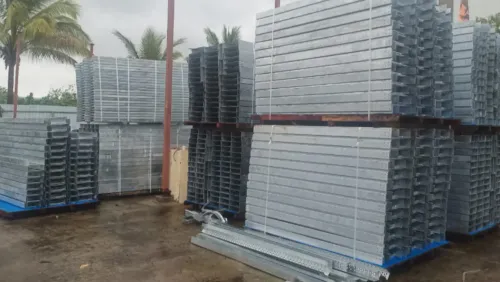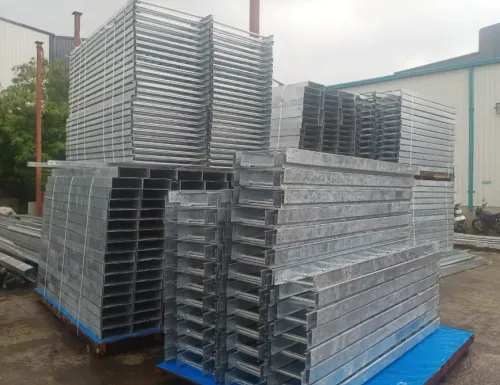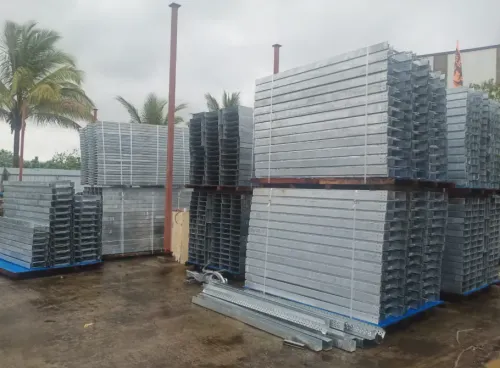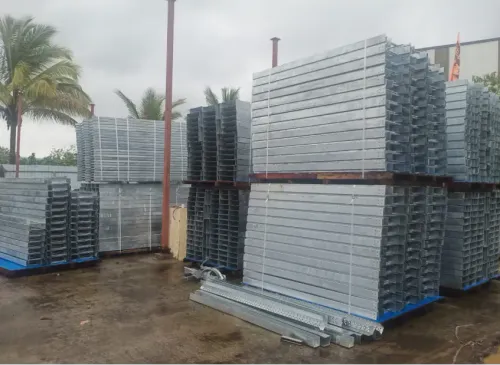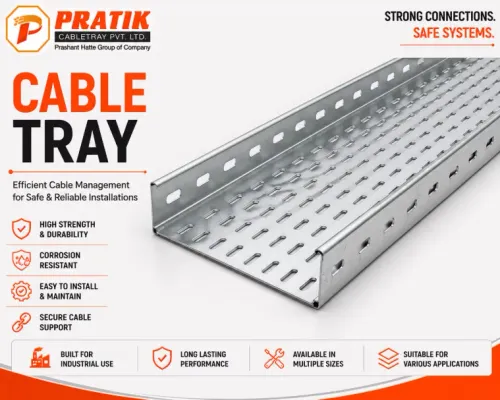
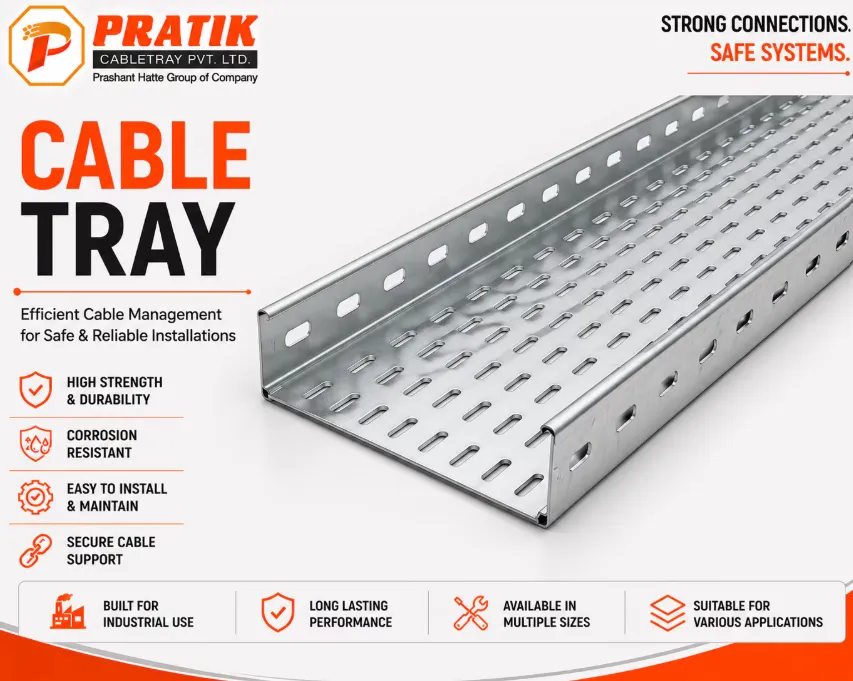
A cable tray purchase may involve dozens or thousands of components depending on the project. Asking only for a price per length can therefore leave major technical and commercial questions unanswered.
For contractors and procurement managers planning to Buy Cable Tray in Pune, a structured buying process helps ensure that quotations correspond to the actual project requirement and that the delivered products are suitable for installation.
Define the Cable Tray Type First
Different cable management requirements can call for different tray designs.
Common options include perforated trays, ladder trays, wire mesh trays, and other project-specific cable support arrangements.
Selection should consider cable type, weight, accessibility, ventilation, installation environment, and applicable engineering specifications.
Avoid choosing the tray type only because it was used on a previous project.
Prepare Exact Dimensions
A purchase enquiry should state more than the approximate width.
Depending on the product, specifications may include:
- Width
- Depth
- Length
- Material thickness
- Material type
- Surface finish
- Perforation or rung configuration
- Cover requirements
- Quantity
Clear dimensions make quotations easier to compare and reduce misunderstandings after order placement.
Calculate Accessories From the Route
Do not treat bends and junction components as miscellaneous items.
Review the layout and calculate the required horizontal bends, vertical bends, tees, crosses, reducers, couplers, and other accessories according to actual routing.
When several tray sizes are involved, label accessories by corresponding size to simplify procurement and site identification.
Specify Environmental Requirements
The installation environment influences material and finish selection.
A cable tray inside an office or electrical room may face different conditions from one in a factory utility area or exposed industrial location.
For projects in Pune and other parts of Maharashtra, procurement teams should communicate whether the installation is indoor, outdoor, humid, dusty, or exposed to industrial contaminants.
Material protection should then follow the applicable project specification.
Verify Load and Support Requirements
Tray dimensions alone do not establish whether a system is appropriate for a cable load.
Cable weight, support spacing, span, and tray construction need to be considered together.
Project engineers should define these requirements before procurement rather than expecting purchasing teams to infer them from a basic material list.
Compare the Complete Commercial Scope
When quotations arrive, check what each supplier has actually included.
Commercial evaluation can consider:
- Straight tray quantities
- Accessories
- Covers
- Couplers
- Supporting components where applicable
- Packaging
- Freight
- Taxes
- Delivery schedule
- Documentation requirements
This prevents an apparently low quotation from becoming more expensive once omitted items are added.
Consider Project Quantities and Delivery Phases
Manufacturing and infrastructure projects may require material over several weeks or months.
If site storage is limited, phased supply may be more practical than a single large delivery. Discuss expected quantities and installation schedules before finalizing procurement.
This also helps production planning where several tray dimensions are involved.
Share Drawings When Requirements Are Complex
For straightforward requirements, a detailed schedule may be enough.
For complex routes or non-standard components, drawings can communicate requirements more clearly. They allow dimensions, direction changes, and accessory configurations to be reviewed before fabrication.
Pratik Cabletray Pvt. Ltd. manufactures cable management systems in Pune for electrical contractors, EPC companies, industrial facilities, panel builders, and project procurement teams. Providing complete technical information at the enquiry stage helps the manufacturer understand what the project actually requires.
Buying cable trays efficiently is ultimately a specification exercise, not just a price enquiry. When tray type, dimensions, material, finish, accessories, load requirements, quantities, and delivery expectations are clearly defined, procurement teams can compare suppliers more accurately and reduce avoidable changes during installation.
Keywords