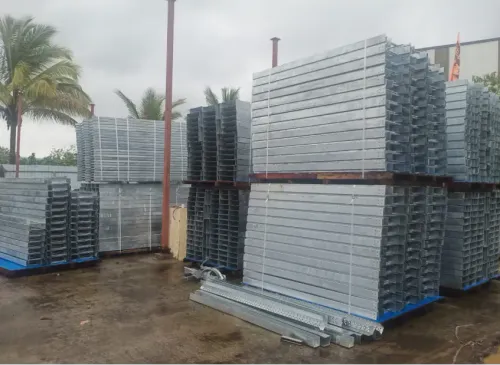
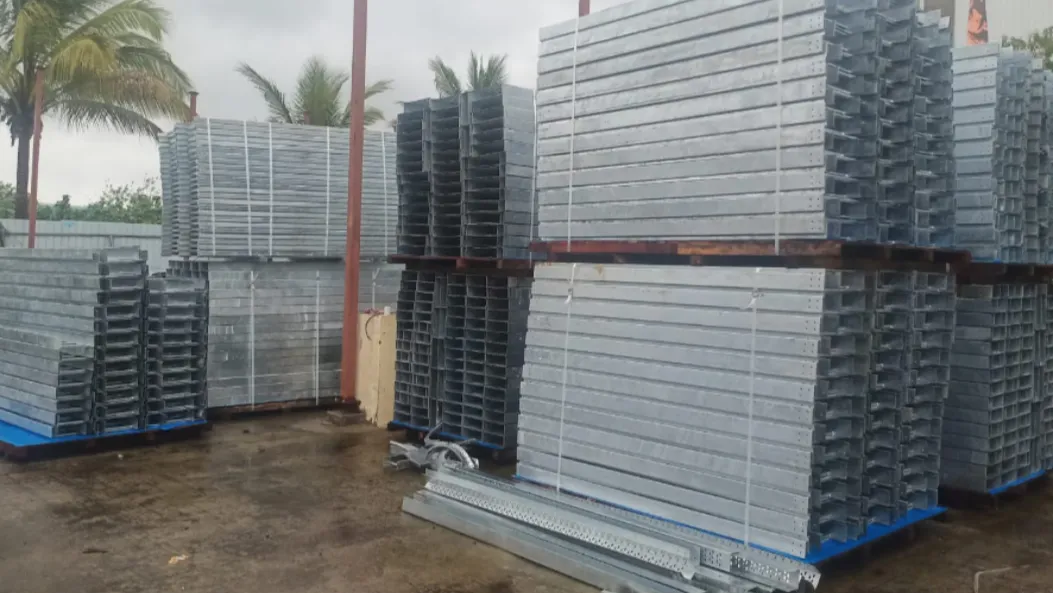
Industrial expansion changes more than production capacity. New machinery, panels, automation equipment, utility systems, communication networks, and power distribution can all introduce additional cables into a facility.
A well-planned Cable Management System Pune can help organize these additions without turning existing service areas into difficult-to-maintain cable routes.
For manufacturing units planning expansion, cable management should be considered during engineering rather than after new equipment reaches the factory.
Map Existing Cable Infrastructure
The first step is understanding what already exists.
Project teams should identify current tray routes, occupied capacity, electrical panels, equipment connections, control cabling, communication routes, and areas where future cables could potentially be added.
Visual inspection should be supported by available drawings and actual site conditions.
Older facilities may contain undocumented modifications, so drawings should not automatically be assumed to represent every existing cable.
Separate New Requirements by Cable Category
Expansion projects can introduce several cable types.
These may include:
- Power cables
- Control cables
- Instrumentation cables
- Communication cables
- Automation network cables
- Equipment interconnection cables
Applicable segregation and routing requirements should be determined by the electrical design.
Grouping all new cables into whichever tray has visible space can create future management problems.
Calculate Capacity for the Expanded Facility
New tray routes should be sized according to the actual cable schedule and engineering requirements.
Project teams should also consider foreseeable expansion where practical. A manufacturing line commissioned today may receive additional sensors, automation equipment, drives, or auxiliary systems later.
Providing sensible planning capacity can make subsequent modifications easier.
Choose Tray Types by Application
A single cable tray design may not be appropriate for every part of an industrial expansion.
Heavy power routes, general electrical cables, communication cabling, and control wiring can have different support requirements.
The selected tray type should therefore correspond with cable load, accessibility, ventilation, environmental conditions, and applicable design criteria.
Coordinate Routes With New Equipment
Cable trays should be planned alongside machinery layout and other services.
New production lines may introduce compressed air piping, extraction ducts, process utilities, structural platforms, and safety systems. These can compete for the same overhead or service corridor space.
Coordinated planning reduces the risk of cable tray routes being obstructed after equipment installation.
Review Environmental Exposure
An expansion may extend cable routes into areas with conditions different from the existing facility.
Outdoor connections, process zones, humid locations, or areas exposed to industrial contaminants may require different material protection.
For manufacturing projects in Pune and Maharashtra, environmental conditions should therefore be reviewed section by section rather than applying one assumption to the entire facility.
Plan Transitions and Accessories
Expansion work frequently involves connecting new routes with existing infrastructure.
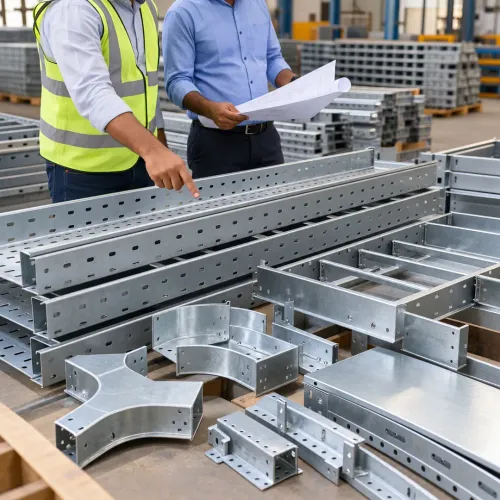
This may require bends, tees, reducers, couplers, or custom transitions depending on the design.
Accurate measurement is important where new trays need to interface with existing systems. Unverified assumptions about old tray dimensions can create mismatches during installation.
Build Maintainability Into the Layout
Cable management should support future technicians, not only today's installation team.
Routes should remain reasonably accessible for inspection and modification. Cable identification and organized routing can make troubleshooting easier when production equipment needs maintenance.
Where possible, avoid creating tray arrangements that become inaccessible after machinery, ceilings, or other services are installed.
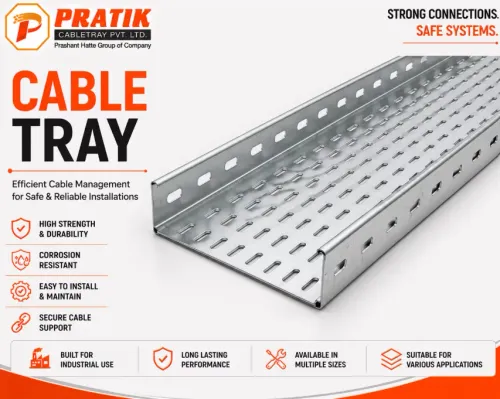
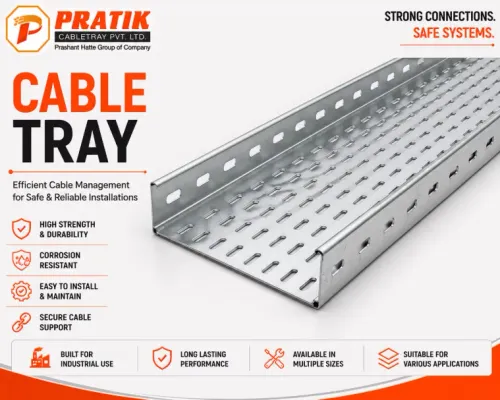
Pratik Cabletray Pvt. Ltd. manufactures cable tray and cable management products in Pune for industrial electrical applications. For expansion projects, providing updated cable schedules, dimensions, route information, and accessory requirements helps align the manufactured products with the new infrastructure.
A successful cable management plan gives an expanding factory a structured path for today's cables while keeping future maintenance and modification in view. That makes cable routing an infrastructure decision rather than a last-stage installation activity.
Keywords