Efficient cable routing is one of the foundations of a reliable electrical installation. Among the various cable support systems available today, perforated trays remain one of the most widely used solutions for commercial, industrial, and institutional buildings. Choosing a trusted Perforated Cable Tray Manufacturer in Pune helps ensure that electrical infrastructure remains organized, safe, and easy to maintain throughout its lifecycle.
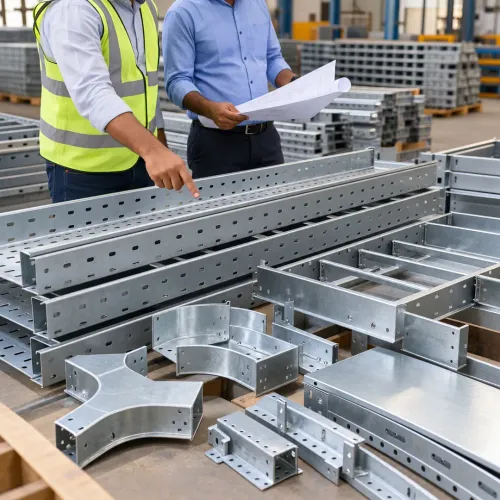
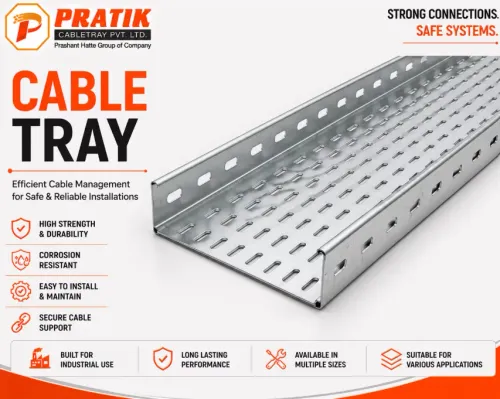
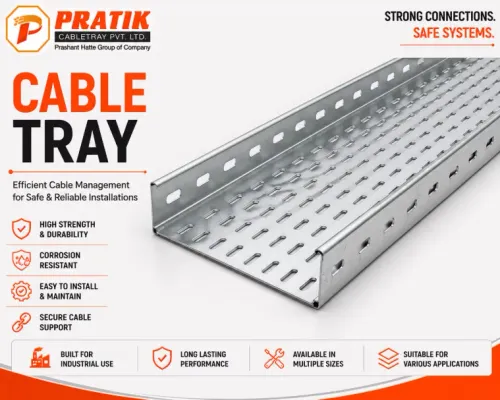
Perforated cable trays are designed with evenly spaced holes along the base. These perforations serve multiple purposes. They improve ventilation around electrical cables, reduce overall tray weight, and simplify cable fastening during installation.
In Pune's rapidly developing industrial and commercial sectors, perforated cable trays are commonly installed in manufacturing facilities, office complexes, hospitals, educational institutions, shopping centers, warehouses, and infrastructure projects.
Their popularity comes from their ability to support both power and control cables while maintaining proper organization across long cable routes.
Some of the primary advantages include:
- Better airflow around electrical cables
- Reduced cable overheating
- Easy cable identification
- Faster maintenance
- Flexible cable additions
- Strong structural support
- Neat electrical installations
Unlike enclosed conduit systems, perforated trays provide greater accessibility. Maintenance teams can inspect cables visually without dismantling the entire routing system, reducing downtime during repairs or upgrades.
Selecting the appropriate tray requires more than choosing a standard size. Engineers should evaluate:
- Expected cable load
- Future expansion requirements
- Installation environment
- Span between supports
- Material selection
- Coating requirements
- Structural loading
Material choice significantly affects durability. Mild steel remains a popular option for general industrial use, while galvanized steel offers additional corrosion resistance. Stainless steel performs well in highly corrosive environments, and aluminum provides lightweight performance for selected applications.
Proper support spacing is equally important. Even a high-quality cable tray can deform if supports are positioned incorrectly. Manufacturers typically provide recommended support distances based on tray dimensions and cable loading.
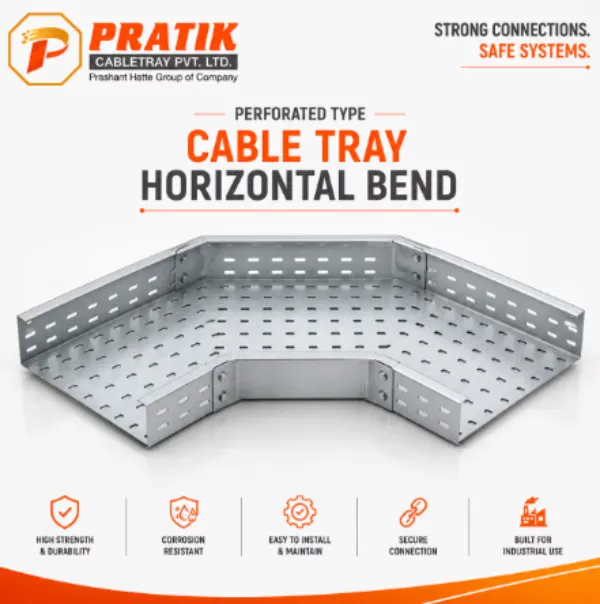
Accessories complete the system. Horizontal bends, vertical bends, tees, reducers, covers, couplers, splice plates, and brackets ensure that cable routes remain structurally secure throughout the installation.
Modern industrial projects also emphasize efficient project execution. Factory-fabricated accessories reduce on-site fabrication time, helping contractors complete installations more quickly while maintaining consistent quality.
Electrical consultants increasingly specify cable trays that comply with recognized manufacturing standards. Consistent material thickness, precision fabrication, and accurate dimensions contribute to dependable long-term performance.
Perforated trays are particularly suitable for:
- Industrial plants
- Pharmaceutical facilities
- Commercial buildings
- IT parks
- Data centers
- Retail developments
- Public infrastructure
- Utility installations
As facilities expand, perforated trays also simplify future cable additions. Instead of replacing entire conduit systems, engineers can extend existing cable routes with relatively minor modifications.
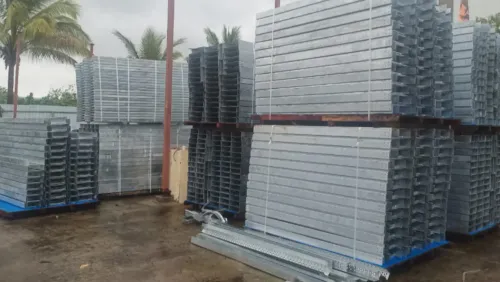
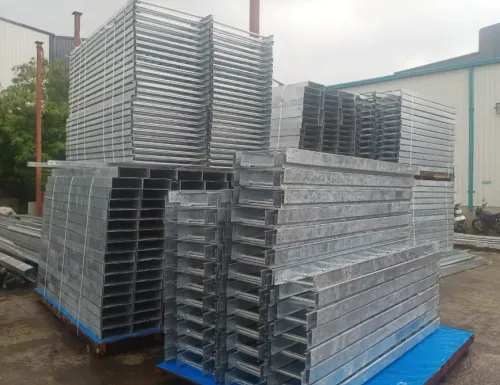
For procurement professionals, evaluating manufacturers should include production capability, quality assurance processes, customization options, and delivery reliability. These factors influence not only installation quality but also project scheduling and long-term maintenance.
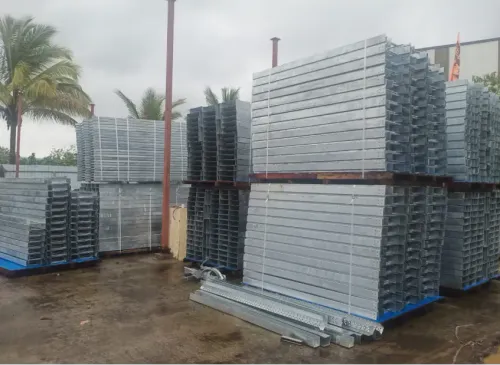
Companies like Pratik Cabletray Pvt. Ltd. manufacture perforated cable trays along with ladder trays, wire mesh trays, raceway systems, cable tray accessories, and earthing materials that support diverse industrial applications across Pune and Maharashtra.
A well-designed perforated cable tray system contributes to safer electrical installations, simplified maintenance, improved ventilation, and better cable organization. Whether the project involves a commercial building, manufacturing plant, or infrastructure development, selecting the right tray design and manufacturing partner helps create an electrical network that remains dependable for years to come.
Keywords