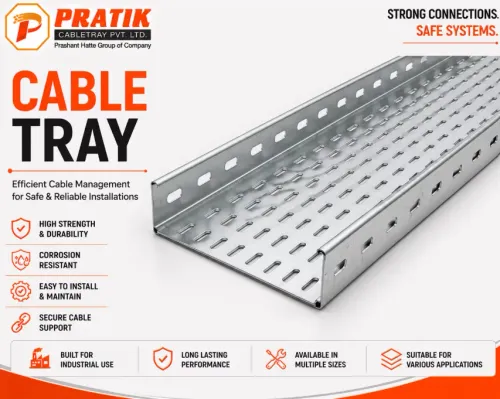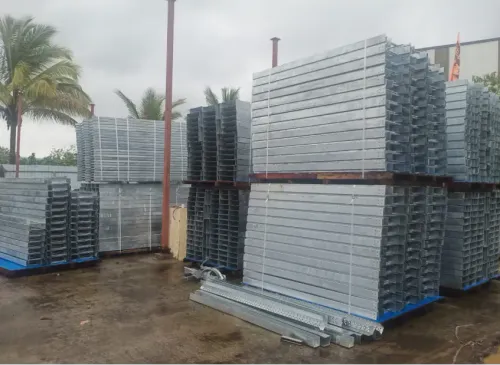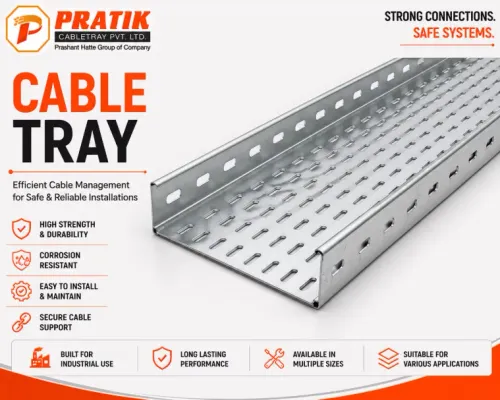
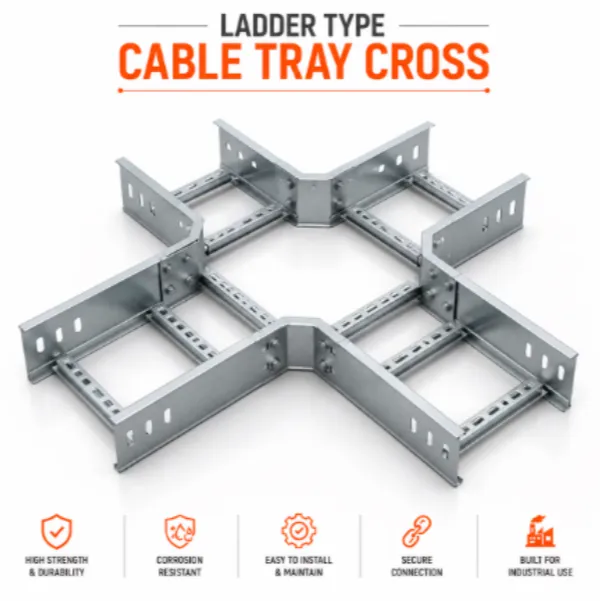
Every successful electrical project begins with careful planning, but knowing when to source cable trays is just as important as knowing which products to choose. Ordering too early can create storage and handling issues, while waiting too long may delay electrical installations and impact overall project timelines.
For EPC contractors, electrical consultants, builders, project managers, and procurement teams, recognising the right stage for purchasing cable trays helps improve coordination between civil, mechanical, and electrical work. If you are evaluating an industrial cable tray supplier Pune, understanding these readiness indicators can help streamline procurement and avoid unnecessary delays.
Why Timing Matters in Cable Tray Procurement
Cable trays form the backbone of an organised cable management system. Since they support power, control, and communication cables throughout a facility, they are typically installed before cable laying begins.
Delays in sourcing can affect
- Electrical installation schedules
- Cable routing activities
- Equipment commissioning
- Testing timelines
- Overall project completion
Planning procurement at the right stage allows electrical work to progress without interruptions.
Sign 1 Electrical Drawings Have Been Finalised
One of the clearest signs that a project is ready for cable tray procurement is the completion of electrical layout drawings.
These drawings typically define
- Cable routes
- Tray widths
- Tray lengths
- Installation elevations
- Support locations
- Equipment connections
Accurate drawings help manufacturers supply products that match project specifications, reducing the need for modifications during installation.
Sign 2 Cable Load Calculations Are Complete
Before selecting cable trays, engineers should determine the expected cable load.
Important considerations include
- Number of power cables
- Control cable requirements
- Communication wiring
- Future expansion capacity
- Total cable weight
These calculations help determine the appropriate tray type and load-bearing capacity for each section of the installation.
Sign 3 Installation Environment Has Been Evaluated
Every project has different environmental conditions that influence material selection.
Questions worth considering include
- Will the cable trays be installed indoors or outdoors?
- Is there exposure to moisture or chemicals?
- Will the trays be installed in high-temperature areas?
- Are corrosion-resistant finishes required?
Understanding the operating environment ensures the selected cable management system performs reliably throughout its service life.
Sign 4 Product Specifications Have Been Approved
Electrical consultants and project engineers usually specify the type of cable tray required for different applications.
These specifications may include
- Perforated cable trays
- Ladder cable trays
- Wire mesh cable trays
- Mild steel construction
- Galvanized finishes
- Stainless steel options
- Protective coatings
Finalising these requirements before procurement helps avoid design revisions later.
Sign 5 Accessories Have Been Identified
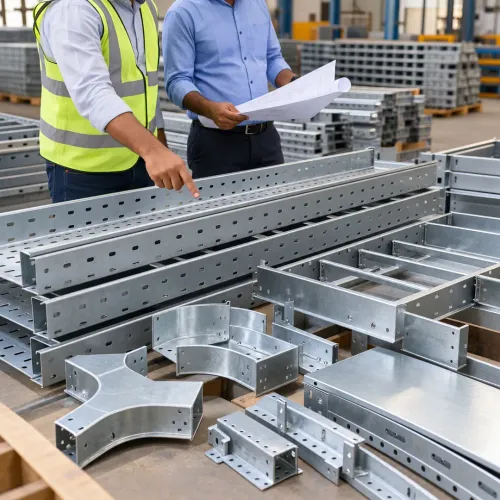
Many procurement teams focus primarily on straight cable tray sections and overlook the accessories needed to complete the installation.
A complete order often includes
- Horizontal bends
- Vertical bends
- Tee sections
- Cross sections
- Reducers
- Covers
- Coupler plates
- Support brackets
- Fasteners
Ordering the complete system together simplifies installation and helps maintain product compatibility.
Sign 6 Project Timeline Has Been Confirmed
Cable tray procurement should align with the construction schedule.
Before placing an order, verify
- Expected installation dates
- Manufacturing lead time
- Transportation schedule
- Site readiness
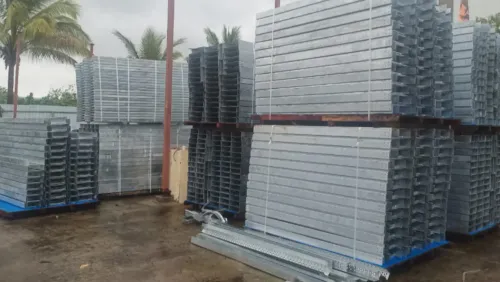
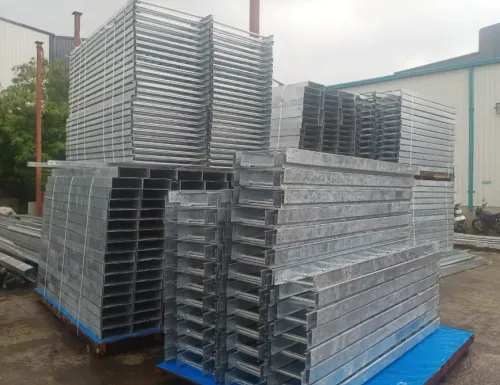
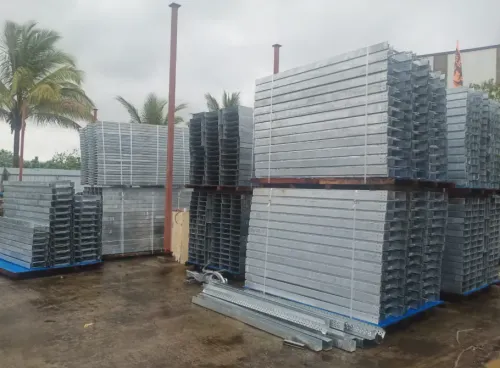
- Storage availability
Coordinating these factors helps prevent unnecessary delays and reduces the risk of material damage during storage.
Sign 7 The Manufacturer Has Been Evaluated
Selecting the right supplier is an essential part of project readiness.
Before finalising an industrial cable tray supplier Pune, evaluate factors such as
- Manufacturing capabilities
- Product quality
- Custom fabrication options
- Available tray sizes
- Delivery performance
- Quality control procedures
- Technical support
Choosing an experienced supplier contributes to smoother project execution and dependable product performance.
Benefits of Working with a Local Supplier
Projects across Pune and Maharashtra often benefit from sourcing cable trays locally.
Some practical advantages include
- Faster deliveries
- Easier communication
- Better coordination during installation
- Reduced transportation time
- Support for customised requirements
- Improved response to project changes
These advantages become particularly valuable for large industrial and infrastructure developments where construction schedules are closely managed.
Building a Procurement Plan That Supports Project Success
Cable tray procurement should never be treated as a last-minute purchase. Coordinating technical specifications, manufacturing timelines, accessory requirements, and installation schedules helps create a more organised procurement process.
Manufacturers such as Pratik Cabletray Pvt. Ltd. support industrial and commercial projects by supplying complete cable management solutions for a wide range of applications across Pune and Maharashtra. Evaluating manufacturing capability, product range, and technical expertise before procurement helps project teams make informed purchasing decisions.
Recognising these readiness indicators allows contractors and procurement managers to source cable trays at the right stage of the project. A well-planned procurement process supports timely installation, efficient cable management, and electrical infrastructure that remains reliable throughout the life of the facility.
Keywords